
Core Analysis of the Dock Leveler: How Did It Become Synonymous with Safety and Efficiency?
In today’s distribution centers, production facilities, and e-commerce warehouses, the loading bay serves as a critical transition zone. The dock leveler—also known as a loading platform or equalizer bridge—acts as the essential link ensuring safe and smooth material flow. Far beyond a simple connector, it has become the cornerstone of reliability in modern supply chains. This article delves into how dock levelers have evolved into the standard for safety and productivity.
Section 1: Boosting Productivity – Eliminating Disruptions for Seamless Flow
The main challenge at loading bays is the variable height difference and spacing between trailer floors and dock edges. This mismatch leads to:
• Operational bottlenecks: Forklifts encounter jolts and significant speed reductions when crossing uneven surfaces.
• Risk of cargo shift: Precision instruments or fragile items are prone to impact damage during unstable transitions.
• Dependence on inefficient manual methods: Without proper bridging, teams must rely on time-consuming, labor-intensive approaches.
The Dock Leveler Solution:
Through advanced hydraulic, air-powered, or mechanical actuation, the platform dynamically adjusts to create a
flush, stable pathway from dock to vehicle.
• Rapid Positioning: Premium models complete alignment in under 10 seconds, multiplying throughput compared to conventional methods.
• Smooth Equipment Passage: Provides a flat extension allowing forklifts to operate at full speed, reducing average bay occupancy time by 35-50%.
• Versatile Adaptation: Automatically compensates for trailer tilt during loading/unloading (up to 300mm variance) and varying vehicle heights, ensuring uninterrupted operations in all conditions.
Productivity Gains Achieved Through: Faster vehicle turnover, maximized equipment utilization, and shortened order fulfillment cycles.
Section 2: Constructing Security – Comprehensive Safeguards for Personnel and Assets
Loading bays remain high-risk areas for workplace incidents. Dock levelers build robust defenses through multi-layered engineering.
1. Edge Protection: The extendable front lip securely overlaps the trailer floor, paired with side toe guards, completely eliminating drop-off risks for operators and machines.
2. Enhanced Grip: Decks feature tear-drop patterning or diamond-plate surfacing for reliable traction even in rain, snow, or oily conditions.
3. Integrated Restraint and Monitoring:
• Trailer Immobilization System: Linked hooks engage the rear impact bar, preventing unexpected departure during operations—a primary cause of severe accidents.
• Structural Supports: Automatic maintenance struts deploy to brace against unforeseen load shifts or vehicle movement.
• Status Feedback: LED signals and audible alarms clearly indicate operational status to prevent errors.
4. Load Management: Built-in pressure relief valves and mechanical stops protect against overload damage to equipment and infrastructure.
Security Achieved Through: Significant reduction in injury incidents, minimized damage claims, and establishment of standardized safe practices.
Section 3: Durability and Connectivity – The Shift to Proactive Systems
Modern dock levelers are more than mechanical devices; they are intelligent nodes in the logistics network.
• Built to Endure: Constructed from high-strength structural steel with protective coatings, they withstand millions of cycles and decades of intensive use, delivering outstanding ROI.
• Connected Intelligence: Advanced models include embedded controllers, load sensors, and connectivity modules for remote performance monitoring, cycle data analysis, predictive alerts, and direct integration with warehouse execution systems for optimized bay scheduling.
Section 4: Conclusion – The Silent Foundation of Operational Excellence
The true power of the dock leveler lies in perfectly executing a seemingly basic task. Positioned at the entry and exit of the supply chain, it profoundly impacts overall performance.
It has become the benchmark for safety and efficiency because it:
• Transforms disruption into seamless flow, enabling uninterrupted physical operations.
• Replaces risk with assurance, through layered engineering controls.
• Shifts from reactive to proactive, via data-driven integration.
In today’s logistics industry—driven by cost reduction, efficiency gains, and people-first principles—a high-quality, high-safety-standard dock leveler is no longer optional. It is the essential foundation for building resilient, high-performing, and secure modern logistics systems—not just connecting vehicle to warehouse, but serving as the key enabler for operational excellence.
双语版齐全!如果需要调整某些术语(比如统一用“boarding bridge”或“dock ramp”),或加配图/SEO关键词,直接告诉我!nt Movement: Creates a flat extension that allows forklifts to operate at full speed, cutting average bay occupancy time by 35-50%.
• Versatile Adaptation: Automatically compensates for trailer tilt during loading (up to 300mm variance) and diverse vehicle heights, maintaining uninterrupted operations in all scenarios.
Productivity Gains Delivered Through: Accelerated vehicle turnover, maximized asset utilization, and compressed fulfillment cycles.
Section 2: Building Security – Comprehensive Safeguards for Personnel and Assets
Loading bays consistently rank among the highest-risk zones for workplace incidents. Dock levelers establish multiple layers of engineered protection.
1. Edge Protection: The extendable front edge overlaps the trailer floor securely, combined with raised toe guards, eliminating drop-off hazards for operators and machines.
2. Enhanced Traction: Decks incorporate tear-drop patterning or diamond-plate surfacing for superior grip in rain, ice, or spilled fluids.
3. Integrated Restraint and Monitoring:
• Trailer Immobilization: Linked vehicle restraint hooks engage the rear impact bar, preventing premature departure—a leading cause of serious accidents.
• Structural Supports: Automatic maintenance struts deploy to brace the platform against unexpected load shifts or vehicle movement.
• Status Indicators: LED signals and audible alarms provide clear operational feedback to avoid errors.
4. Load Management: Built-in pressure relief and mechanical stops protect against excessive weight, safeguarding infrastructure and equipment.
Security Achieved Through: Sharp decline in injury incidents, reduced damage claims, and promotion of standardized safe practices.
Section 3: Longevity and Connectivity – The Shift to Proactive Systems
Today's dock levelers represent engineered resilience combined with digital integration.
• Built to Last: Constructed from high-grade structural steel with protective coatings, they endure millions of cycles and decades of intensive use, delivering exceptional ROI.
• Connected Intelligence: Advanced versions incorporate embedded controllers, load cells, and connectivity modules for remote performance tracking, cycle analytics, predictive alerts, and direct linkage to warehouse execution software for optimized bay scheduling.
Section 4: Final Thoughts – The Quiet Foundation of Operational Excellence
The true strength of the dock leveler lies in mastering an essential yet understated task. Positioned at the supply chain's entry and exit point, it profoundly influences overall performance.
It defines safety and productivity by:
• Converting disruption into flow, enabling uninterrupted physical operations.
• Replacing risk with assurance, through layered engineered controls.
• Shifting from response to anticipation, via data-driven integration.
In an era focused on lean operations, risk mitigation, and workforce well-being, a premium dock leveler is no longer optional equipment. It is the essential foundation for resilient, high-performing, and secure logistics infrastructure—not merely linking vehicle to building, but elevating everyday operations to excellence.
 Dock Leveler Explained with Diagram: Understand Its Core Structure and Basic Definition at a Glance
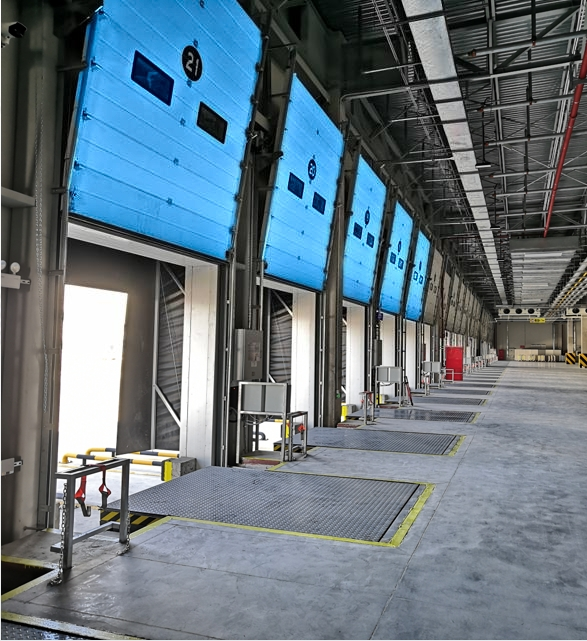 Core Analysis of the Dock Leveler: How Did It Become Synonymous with Safety and Efficiency?
 From Definition to Value: Why Dock Levelers Are the Invisible Backbone of Modern Logistics